
For mobile patrol companies
Keep patrol officers connected across a wide area
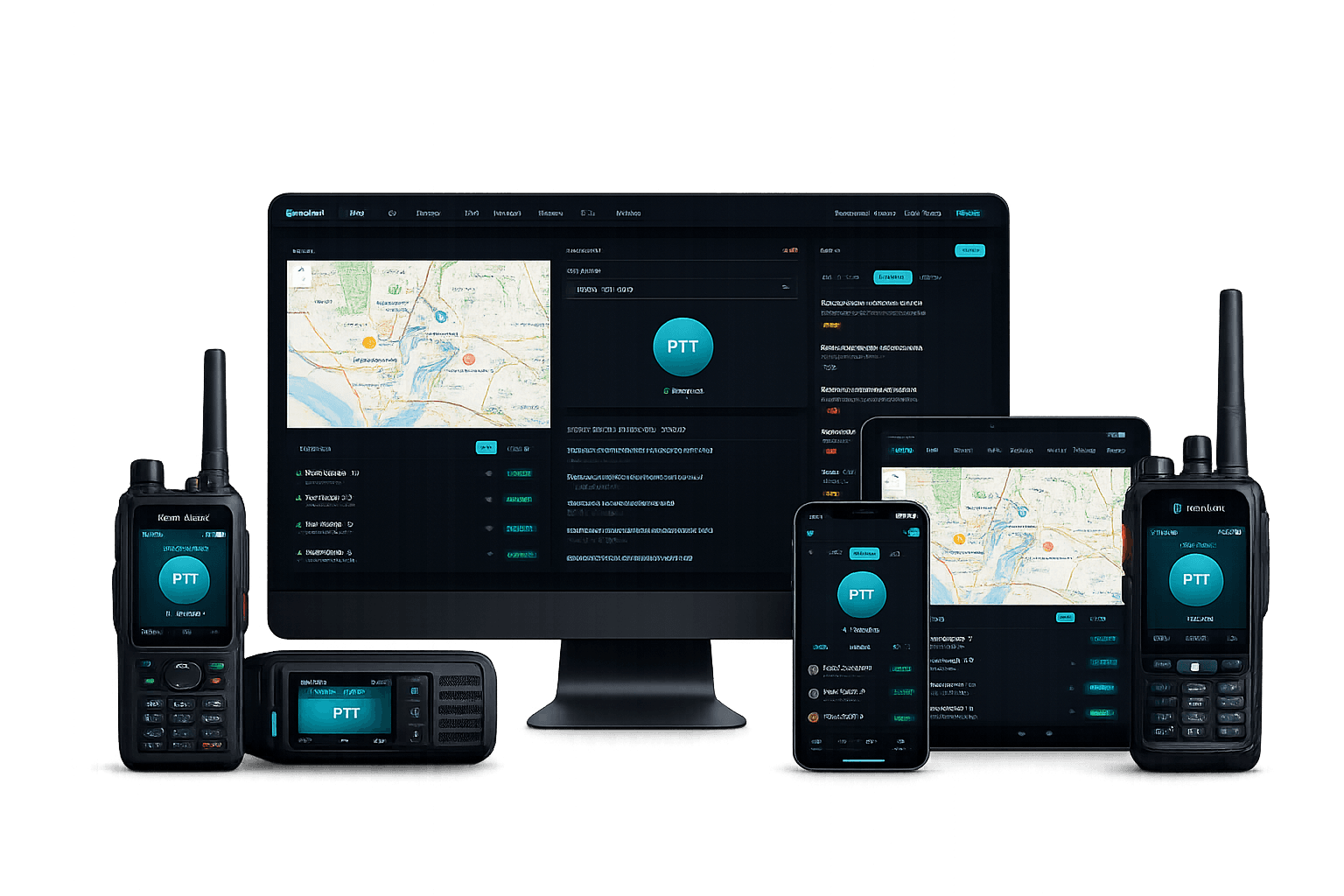
RevoNet gives mobile patrols a live map, a talkgroup for the team, and incident logging in one dashboard, so control knows where a patrol is without waiting for a check-in call. Voice and job data are encrypted in transit with AES-256 over TLS.
Sound familiar?
What makes patrol coverage hard
Mobile patrols run into problems static site guarding doesn't.
- A patrol covers several sites and is out of radio range for most of the shift
- Phone check-ins between sites are easy to forget and hard to verify afterwards
- No shared record of which sites were actually visited and when
- Static site radios do not reach a patrol vehicle moving between contracts
What changes for the patrol team
Voice, position, and incidents in one dashboard, built around a patrol that covers more than one site.
Live position while moving
The dashboard shows where each patrol officer is right now, not just their last check-in call, so a controller can answer where someone is without radioing to ask.
A patrol talkgroup, separate from site channels
Patrol officers get their own channel so they are not listening to every static site's traffic, while control keeps visibility across all of them.
Incident logging on the move
Log an incident from the vehicle or on foot, assign it, and close it with a timestamped record instead of writing it up back at the depot.
Position history for the route
See where a patrol actually went, not just where they said they went. Useful for client reporting and for reviewing coverage after the fact.
Coverage depends on mobile signal
RevoNet runs over mobile data or Wi-Fi, so it follows the same coverage as any phone on the network your SIMs use.
Test it on the actual routes your patrols drive before committing, not just the depot car park. Where a route runs through a genuine dead zone, keep radio for that stretch and use RevoNet for the rest. Read the full RevoNet vs traditional radio comparison for how firms typically decide.
Pilot RevoNet on one patrol route
Run voice, live position, and incident logging on a real route for 30 days before deciding whether to roll it out further.